
Table of Contents
Building Ahead: Q2 2026 Outlook on Building Products Markets
Expectations Moderate as Higher Rates and Energy Costs Weigh on Demand
As we move through early June 2026, the outlook for building products, lumber, panels, distribution, and related segments remains one of caution and discipline. The 30-year fixed mortgage rate has risen to 6.48% as of June 4, up noticeably from the early March levels near 6.00%. Higher borrowing costs, combined with elevated gas prices at a national average of $4.42 per gallon in May, are adding pressure on consumer sentiment and affordability, particularly for big-ticket housing and remodeling decisions.
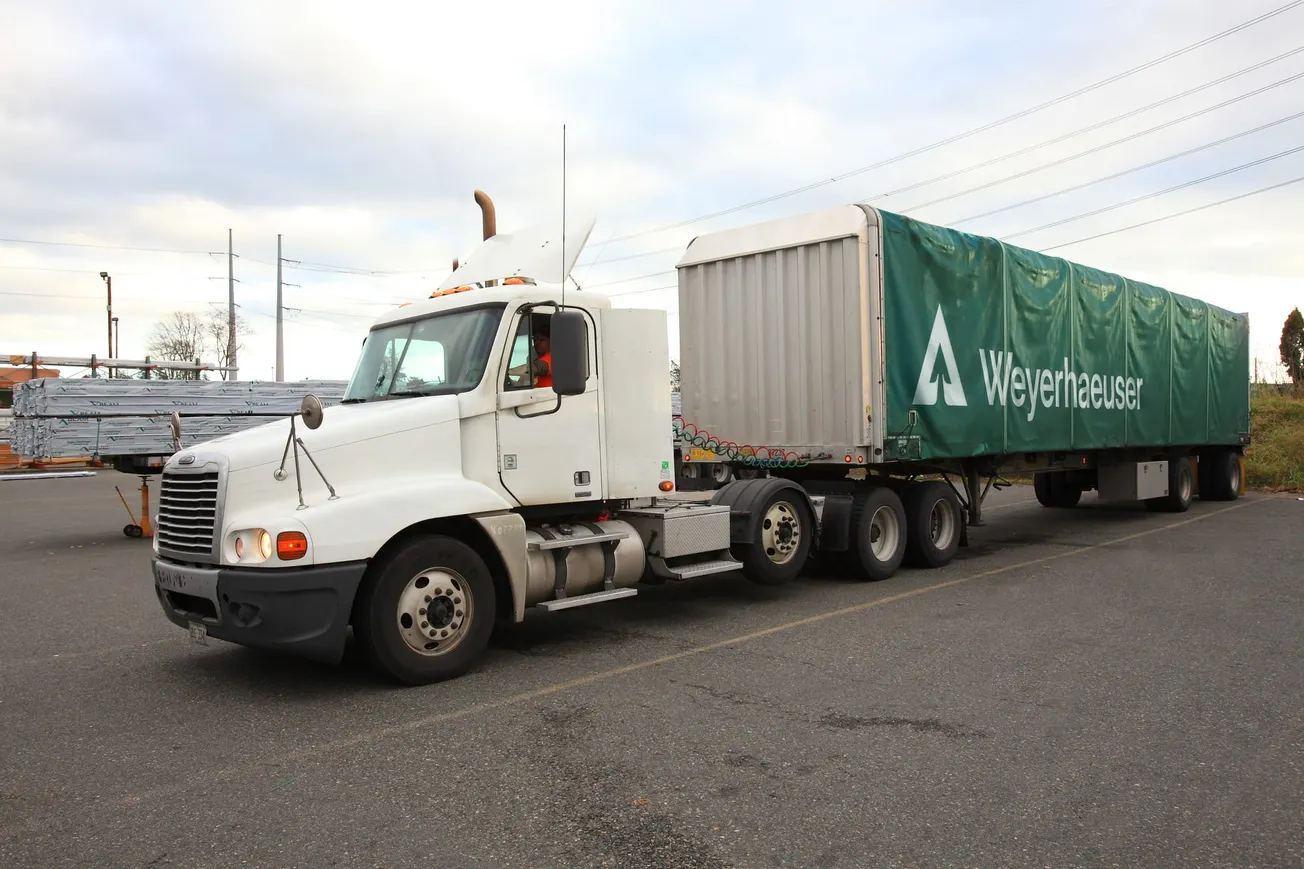
The tone from major industry players—West Fraser, Weyerhaeuser, James Hardie, Trex, Boise Cascade, UFP Industries, Interfor, Louisiana-Pacific, Builders FirstSource, and others—continues to be measured. This is not a year of strong recovery. Companies are focused on cost control, margin protection, inventory discipline, and selective execution in a market that has grown more challenging since the start of the year.
Housing, the core driver for lumber, oriented strand board, engineered wood, siding, decking, and much of the sector, is facing renewed headwinds. Most companies now project flat-to-down single-family and multifamily starts for the full year, with Builders FirstSource revising to low-single-digit declines in both categories and repair and remodel down around 1%. Boise Cascade points to ongoing affordability challenges, weak consumer sentiment, and cautious builder decision-making as the primary near-term headwinds facing residential construction. At the same time, long-term fundamentals remain supportive, including an undersupply of housing, favorable demographic trends, elevated homeowner equity, and an aging housing stock. GreenFirst similarly highlights a significant U.S. housing supply deficit, demographic-driven household formation, and the aging housing stock as key long-term drivers of lumber demand, while also emphasizing the relative stability of Ontario fiber supplies amid broader North American timber constraints. However, across the sector, higher mortgage rates, elevated energy costs, and ongoing affordability pressures continue to weigh on near-term activity.
Lumber and panels reflect continued supply discipline amid softer demand. West Fraser reiterated SPF and SYP shipment targets of 2.4-2.7 billion board feet for 2026, supported by 2025 curtailments and closures, reliability improvements, and the ramp-up of its mill in Henderson, Texas. They expect higher oil-based input costs in 2026, including fuels, chemicals, and waxes, while noting that labor availability and equipment lead times remain manageable despite ongoing geopolitical and economic uncertainty. Interfor notes North American lumber markets are expected to remain volatile in the near term as producers continue adjusting supply to demand amid shifting monetary policy, tariffs, geopolitical uncertainty, and oil price volatility. Benchmark prices showed strength earlier in the year (SYP Composite up 35%, KD H-F Stud up 24%, and Western SPF Composite up 20% from December 2025 through April 2026), though the company expects volatility to persist. Interfor believes it is well positioned to navigate these conditions, with approximately 65% of its lumber produced and sold within the U.S. and only about 20% exposed to cross-border duties and tariffs. Weyerhaeuser anticipates slightly higher log costs and higher sales volumes, while Canfor expects North American lumber markets to soften later in Q2 as supply increases in response to earlier price improvements. Boise Cascade similarly expects commodity pricing to remain dynamic, influenced by economic conditions, tariffs, transportation costs/availability, inventories, and seasonal demand patterns, and plans to align production and inventory positions accordingly. Overall, producers are emphasizing modest demand expectations, margin management, and navigating uncertainties like tariffs and oil-driven cost inflation rather than aggressive volume growth.
Oriented strand board demand remains closely linked to housing activity and continues to face headwinds. West Fraser is guiding somewhat softer demand in 2026 and is reiterating North American OSB target shipments of 5.9 to 6.3 billion square feet (3/8-inch basis) after planned curtailments. Louisiana-Pacific is guiding to a full-year OSB Adjusted EBITDA loss of approximately $40 million, reflecting ongoing price sensitivity and production alignment with weaker demand. While broader demand expectations remain subdued, Weyerhaeuser anticipates higher OSB sales volumes in the near term, albeit alongside higher unit manufacturing costs and moderately higher fiber costs. Overall, the outlook for OSB remains cautious, with producers focused on balancing supply with demand while maintaining operational discipline amid ongoing housing market uncertainty.
Repair and remodel activity, a relative bright spot earlier in the year, is now expected to be flat to slightly down as higher rates and energy costs weigh on consumer spending.
Specialty and value-added categories are showing pockets of resilience. Trex is reaffirming full-year 2026 revenue guidance of $1.185 billion to $1.230 billion and adjusted EBITDA of $315 million to $340 million, with Q2 revenue expected in the $388 million to $403 million range. The company also expects robust free cash flow generation as capital expenditures decline significantly following completion of major investments at its Arkansas campus. James Hardie continues to hold its full-year planning assumptions for the Deck, Rail & Accessories segment, projecting net sales of $1.11 billion to $1.15 billion, while still expecting to outperform the market through product innovation and expanded channel reach. UFP Industries expects positive momentum in its Deckorators line through upgraded manufacturing capacity, expanded distribution, and initial stocking orders, even as overall residential construction demand remains soft.
Siding, trim, and exteriors remain mixed but stabilizing. Broader exteriors face near-term challenges tied to new construction softness, but repair and remodel activity continues to provide support. James Hardie notes that channel inventories have normalized and visibility has improved, with expectations for growth driven by repair and remodel expansion in underpenetrated regions, improved product mix, and commercial synergies. Louisiana-Pacific offers a more cautious perspective, guiding Q2 2026 siding net sales of $435–$445 million (down approximately 4% year-over-year) and full-year net sales of $1.65–$1.67 billion (down roughly 2%).
Distribution and retail continue to prioritize efficiency, operational control, and financial resilience in a market that remains stable but shows few signs of acceleration. Home Depot reaffirms total sales growth of approximately 2.5% to 4.5% for fiscal 2026, with comparable sales ranging from flat to up 2.0% and plans for approximately 15 new stores. Lowe’s projects total sales of $92.0 to $94.0 billion (up roughly 7% to 9% year-over-year) with comparable sales flat to up 2% and capital expenditures of approximately $2.5 billion. On the distribution side, Builders FirstSource updated full-year net sales guidance to $14.6–$15.6 billion, assuming low-single-digit declines in single-family and multifamily starts and repair and remodel down around 1%, with recent acquisitions adding about 1% to sales and capital expenditures of $225–$275 million. BlueLinx expects specialty product gross margins of 17.5%–18.5% and structural margins of 9.5%–10.5% in Q2, with average daily sales volumes down slightly year-over-year but improved sequentially from Q1. Boise Cascadecontinues to monitor end-market demand signals closely and align production and inventory positions accordingly, noting opportunities for increased sales and margins during periods of rising prices. The company is guiding Building Materials Distribution EBITDA of approximately $65–$80 million for the second quarter as it navigates an environment shaped by pricing volatility and cautious demand. Across these leaders, the consistent playbook stresses tight inventory controls to prevent buildup in a no-rush environment, disciplined SG&A management to safeguard profitability, and a relentless emphasis on cash flow generation—hard-earned disciplines from recent volatility that position distributors and retailers to navigate builder, pro, and homeowner selectivity while staying ready for any future uptick from rate relief.
Broader building products echo the disciplined theme: Simpson Manufacturing targets a consolidated operating margin of 19.5%–20.5% for 2026 (including a projected land-sale gain), while Carlisle Companiesanticipates low-single-digit revenue growth year-over-year. Patrick Industries remains focused on executing its strategic priorities despite a dynamic demand environment, including aftermarket expansion, organic growth initiatives, composite product innovation, disciplined acquisitions, and investments in advanced manufacturing and AI-enabled technologies to support long-term value creation.
Timber conditions vary by region. Weyerhaeuser expects modestly higher harvest volumes and slightly improved log realizations in the U.S. West, while GreenFirst notes that fiber availability constraints, harvest regulations, and wildfire impacts continue to pressure portions of the Canadian timber supply.
Key factors to monitor: mortgage rate stability, oil and energy price volatility, tariff and geopolitical developments, labor availability, and early signals from the repair and remodel market. The rise in rates to 6.48% and higher gas prices have clearly tightened conditions since early spring.
In summary for 2026: expectations have moderated since the start of the year, with most companies now planning for softer demand and continued margin discipline. Supply rationalization and cost control provide some support, while long-term fundamentals in housing and wood products remain intact. Lean operators who execute well are positioned to navigate this environment and capitalize when conditions eventually improve. Volatility remains, but disciplined management is the prevailing story.