Table of Contents
Led by the efforts from the American Wood Council (AWC), the lumber industry is pushing for reasonable exceptions to the 2025 Colorado Wildfire Resiliency Code recently adopted by the Colorado State Legislature.
The Code, as written, currently bans the use of natural wood products for exterior uses such as siding and decking. Long-standing options for builders and homeowners such as cedar and redwood, which carries a natural Class B flame spread rating, would not be allowed. As is, the code would likely lead to higher housing costs, likely lead to fewer material options and higher home construction costs, possibly exacerbating housing shortages.
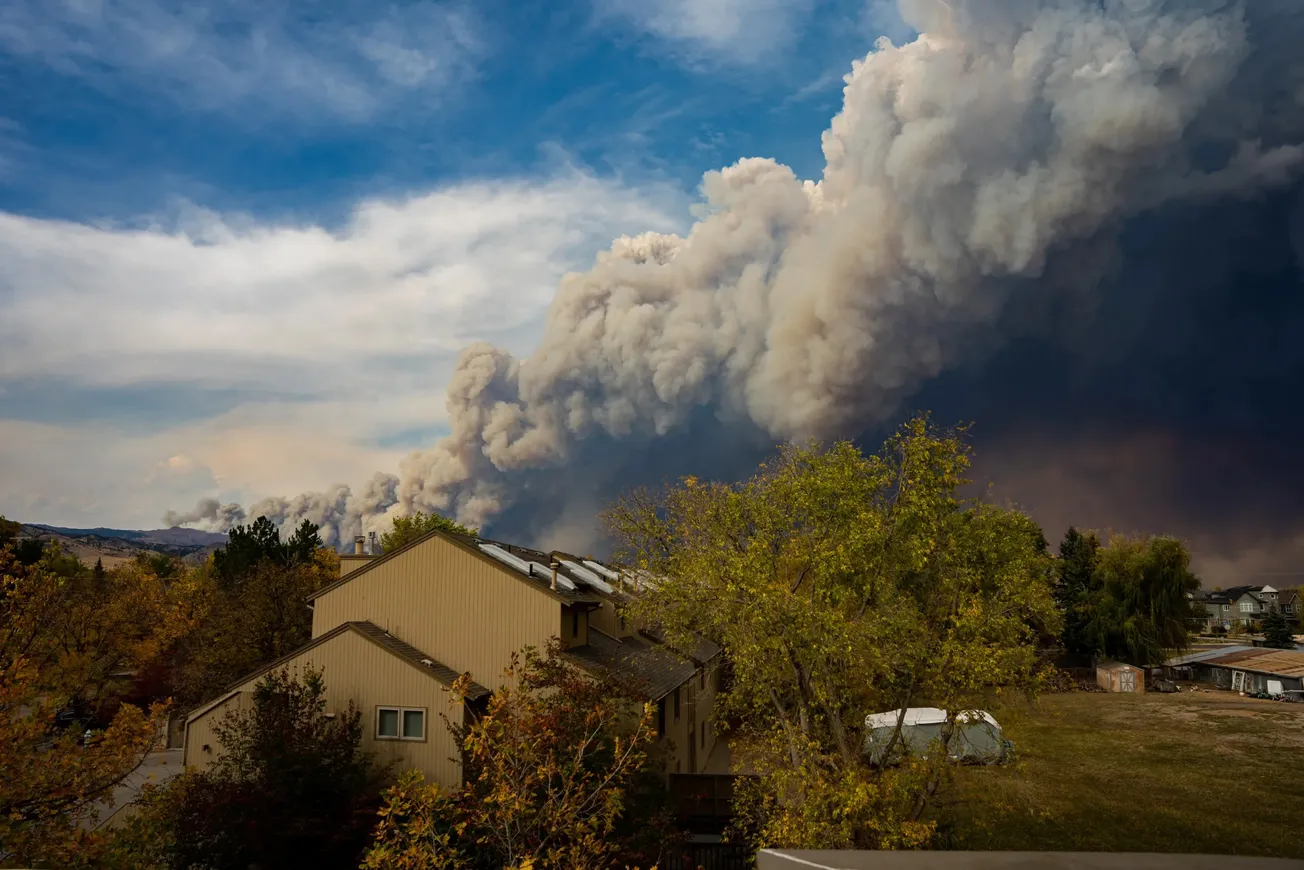
In recent years, Colorado has experienced multiple devastating wildfires in what has been termed the Wildland-Urban Interface or WUI. WUI is defined as areas where structures and other human development meet or intermingle with undeveloped wildlands or vegetative fuels. Population growth and expansion of urban development into traditionally non-urban areas have increasingly brought people into contact with wildfires. WUI is the fastest-growing land use type in the contiguous U.S.
Additionally, there are concerns that the Wildfire Resiliency Code Board failed to adequately incorporate comments from stakeholders—including AWC—throughout the Code development process. Having had previous success in California, AWC’s team of technical experts engaged the Wildfire Resiliency Code Board via public comment to recommend these effective provisions.
In 2008, California adopted California Building Code Chapter 7A, Materials and Construction Methods for Exterior Wildfire Exposure. Under this code, Redwood siding and decking are approved for use in California’s WUI fire hazard severity zones. Now approaching two decades in effect, this code has proven itself by reducing wildfire losses of new construction in California. In fact, the Chapter 7A provisions have proven so effective that they have been incorporated into California’s new 2025 California Wildland-Urban Interface Code.
As of press time, the Colorado Wildfire Resiliency Code Board had not responded to letters of recommendation from the wood products industry to incorporate California’s successful WUI provisions. Despite AWC’s recommendations to utilize these proven methods, the board proceeded with finalization of the CWRC without integration. As such, the future for the use of natural wood decking and siding such as redwood and cedar remains in limbo.
Mendocino Family of Companies, including Humboldt Sawmill Co., Allweather Wood, and Mendocino Forest Products, are distributing a flyer breaking down the issue and encouraging wood products industry members, as well as builders, designers and homeowners in Colorado, to get involved by contacting their local state Senator and Representative in the Colorado State Legislature, and their local building department officials.